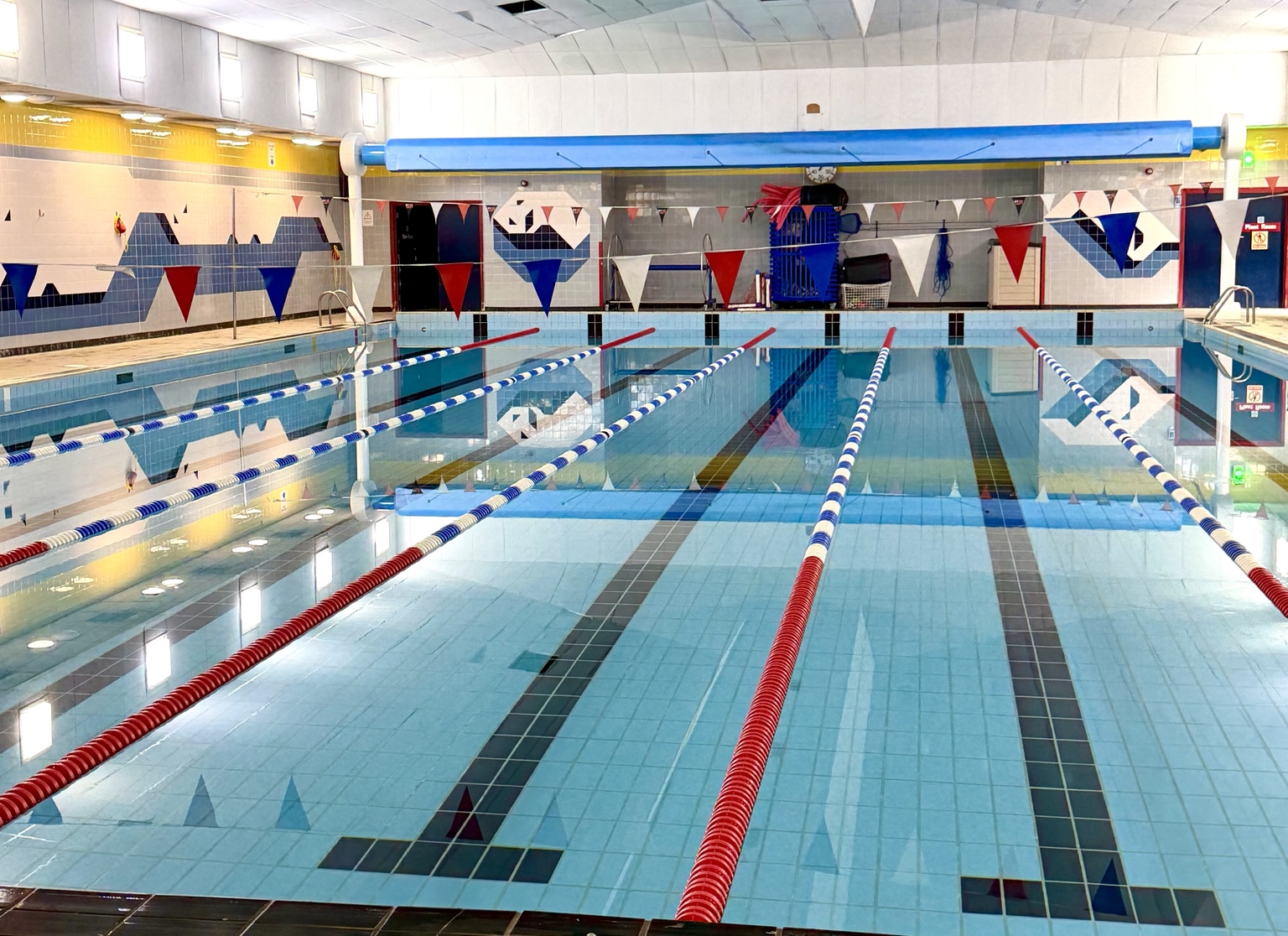

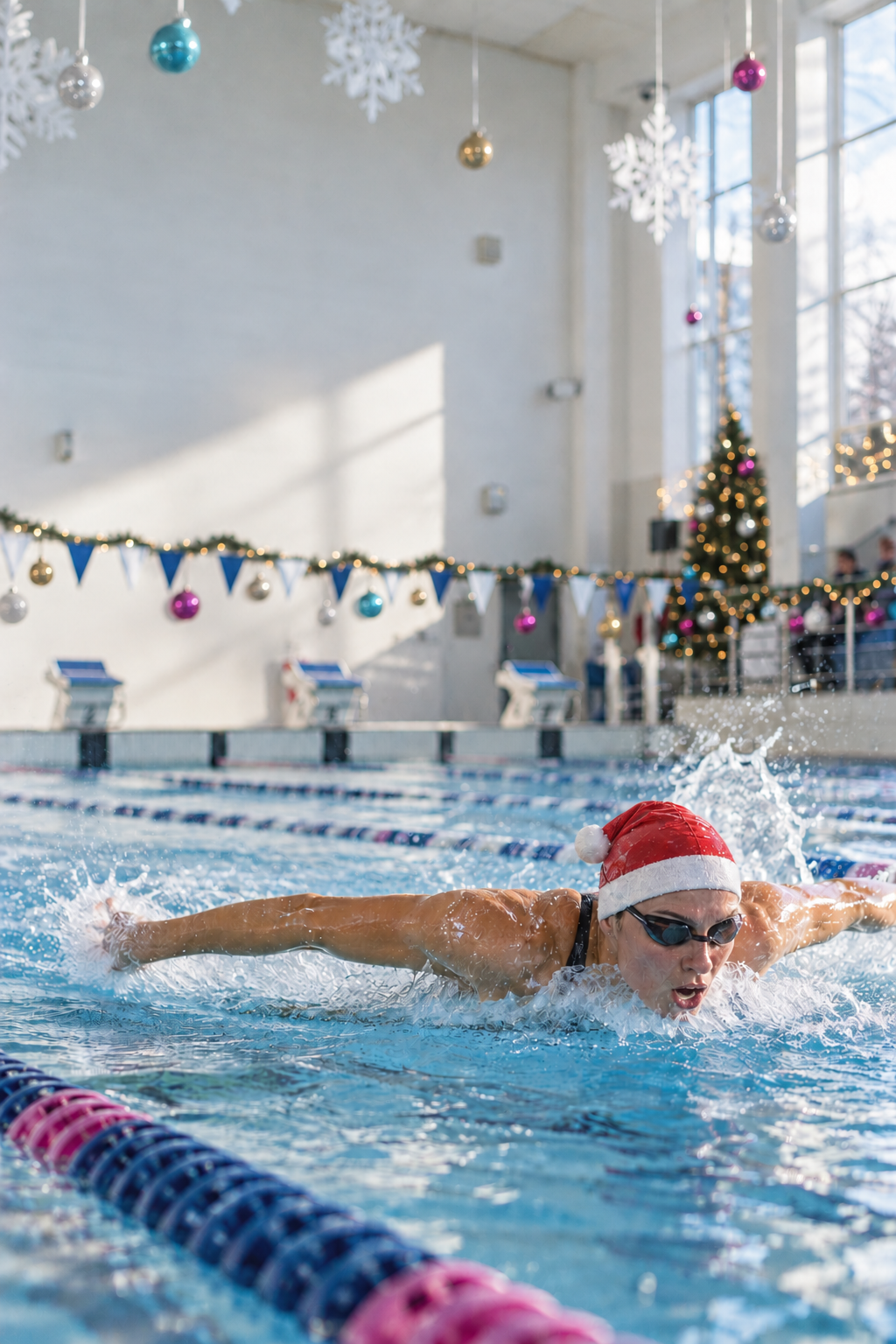
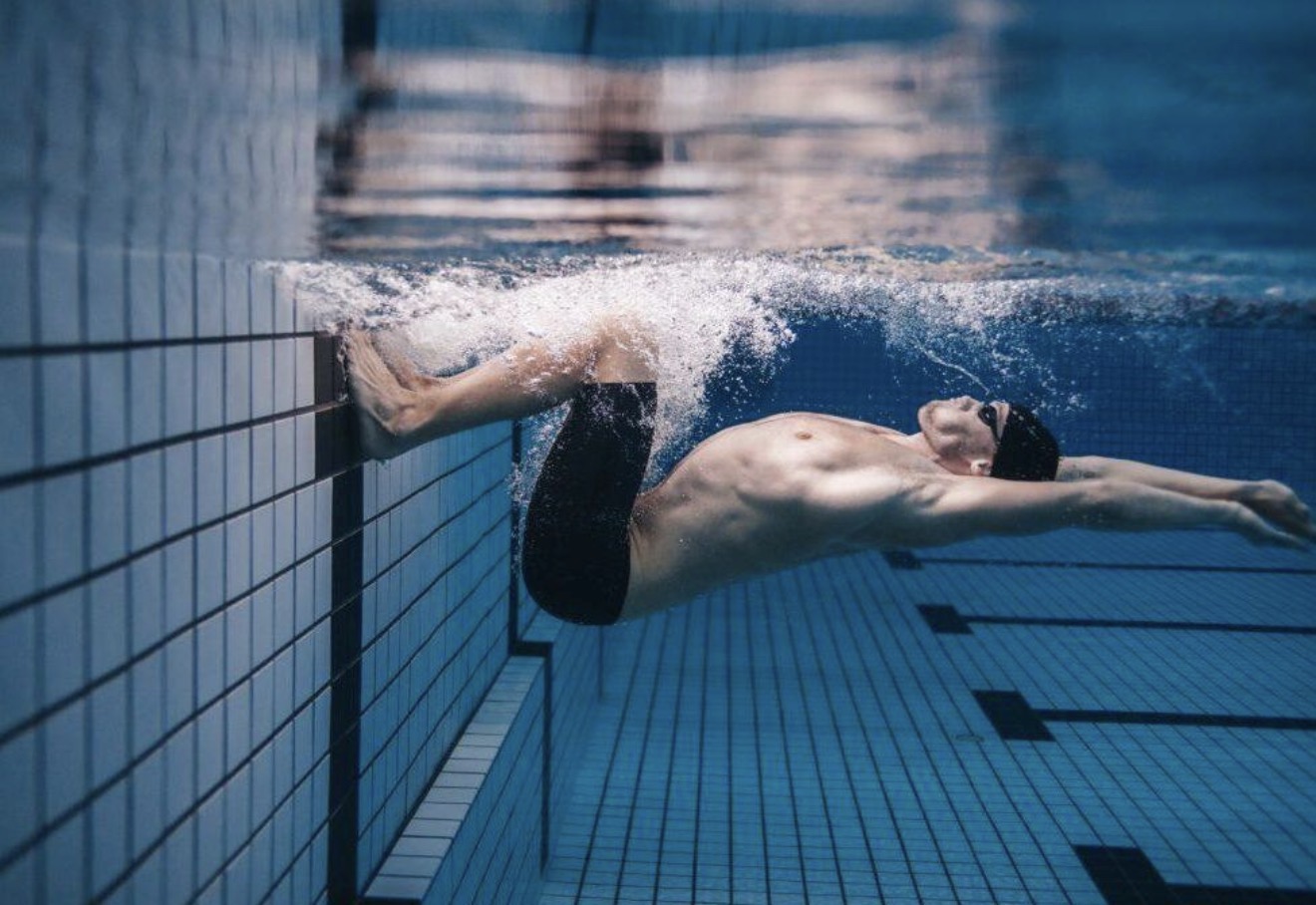
New clinic · 30 August · Manchester Aquatics Centre Race Skills: Starts & Underwater Clinic

Focused race-skills session covering starts, underwater speed, streamline control and breakout quality.

Book clinic place
1-to-1 swimming coaching

Technical analysis. Race skills. Measurable progress.

Trust the process. Trust your work. Race with purpose.

Specialist swimming coaching, video analysis and performance development for competitive swimmers, Masters athletes and triathletes across Manchester, Bolton, Lancashire and the North West.

Coaching that makes the difference ♡

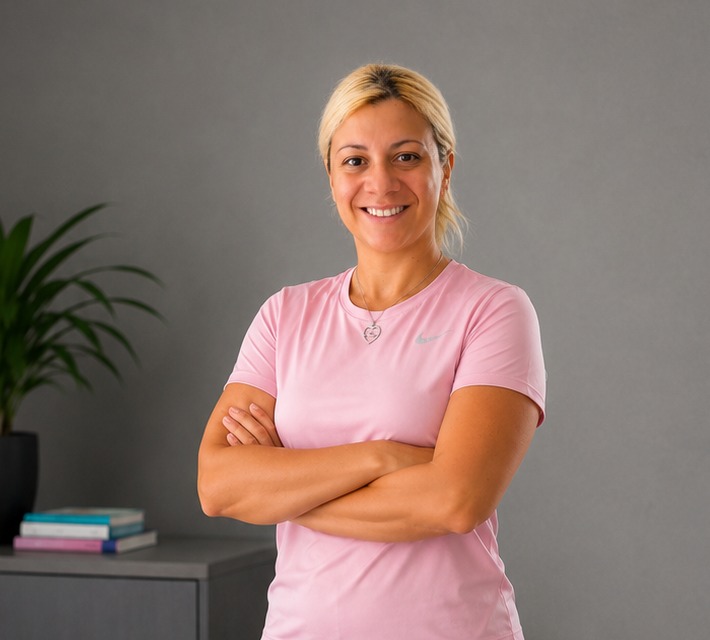
Irene Tsoutsa, IT Swim Lab performance swimming coach
Performance Coach · Technical Analysis · Race Skills
01/08 Performance Assessment CampPerformance review · Race starts footage · Pre-season intensive 1:1s
Apply for priority access
About IT Swim Lab

Built for swimmers who need more than “just more lengths”.

IT Swim Lab is a specialist 1-to-1 swimming coaching and performance analysis service for competitive age-group swimmers, Masters swimmers and triathletes.

Based across Greater Manchester, Bolton, Lancashire and the North West, the aim is simple: help swimmers understand what they need to improve, why it matters, and how to transfer better technique into race performance.

TechniqueRace paceUnderwatersStarts & turnsVideo feedbackPerformance reports
Irene Tsoutsa, IT Swim Lab swimming performance coach
Meet your coach

Irene Tsoutsa

Irene Tsoutsa is a performance swimming coach, former competitive swimmer and active Masters athlete. Sessions are structured around the swimmer’s technical priorities, race goals and ability to apply feedback under pressure.

Her coaching supports competitive swimmers, Masters athletes and triathletes who want clear technical analysis, stronger race skills and measurable progress.

  • Competitive swimmer and national-level medallist
  • Qualified swim coach with ongoing Level 3 Senior Coach development
  • Land training qualified for safe athlete preparation
  • Safeguarding lead, lifeguard and fully insured coach
Masters Swimming Coaching

Masters swimming coaching for adults who still want to improve.

Whether your goal is a PB, Masters Nationals, open water events, triathlon racing or simply swimming with better technique, sessions are built around your individual stroke mechanics, race demands and training history.

As an active Masters athlete, Irene understands the challenges of balancing performance, work, recovery and injury management while still chasing ambitious goals.

Masters Swimming CoachAdult stroke correctionRace strategyStarts & turnsSwim video analysisTriathlon swim coaching
IT Swim Lab Signature Coaching

Race skills, stroke technique and underwater speed.

A consistent coaching language swimmers can see, understand and take back into training.

IT Swim Lab starts coaching illustration

Starts

Track starts, flight position, entry angle and breakout timing.

IT Swim Lab underwater streamline illustration

Underwater

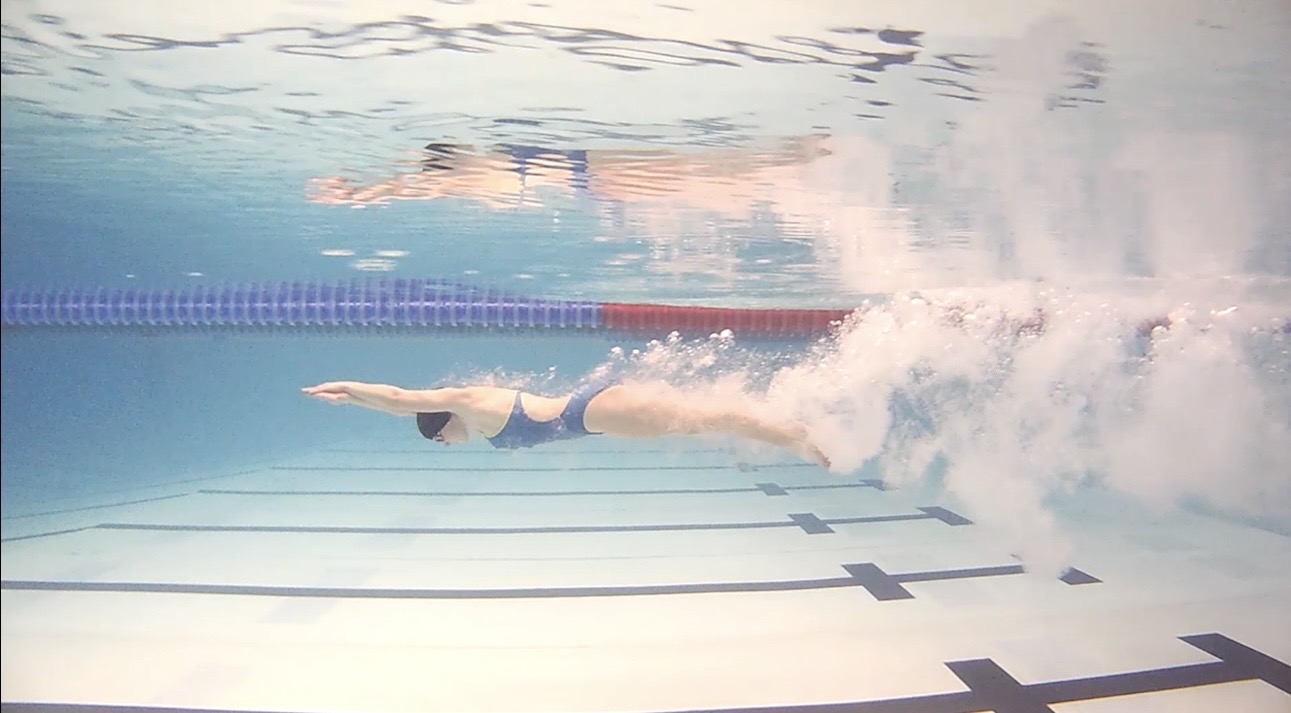
Streamline shape, dolphin kick rhythm, body control and speed carry.

IT Swim Lab backstroke illustration

Backstroke

Body line, rotation, hand entry, kick connection and breakout control.

IT Swim Lab breaststroke illustration

Breaststroke

Timing, line, catch shape, recovery and race rhythm.

IT Swim Lab butterfly illustration

Butterfly

Body wave, breath timing, kick connection and rhythm under fatigue.

IT Swim Lab front crawl illustration

Front Crawl

Head position, body line, catch timing, rhythm and efficient rotation.

Performance review system

Reports parents can read. Data swimmers can act on.

Every review links the visual technique with simple race data, so swimmers know exactly what to work on next.

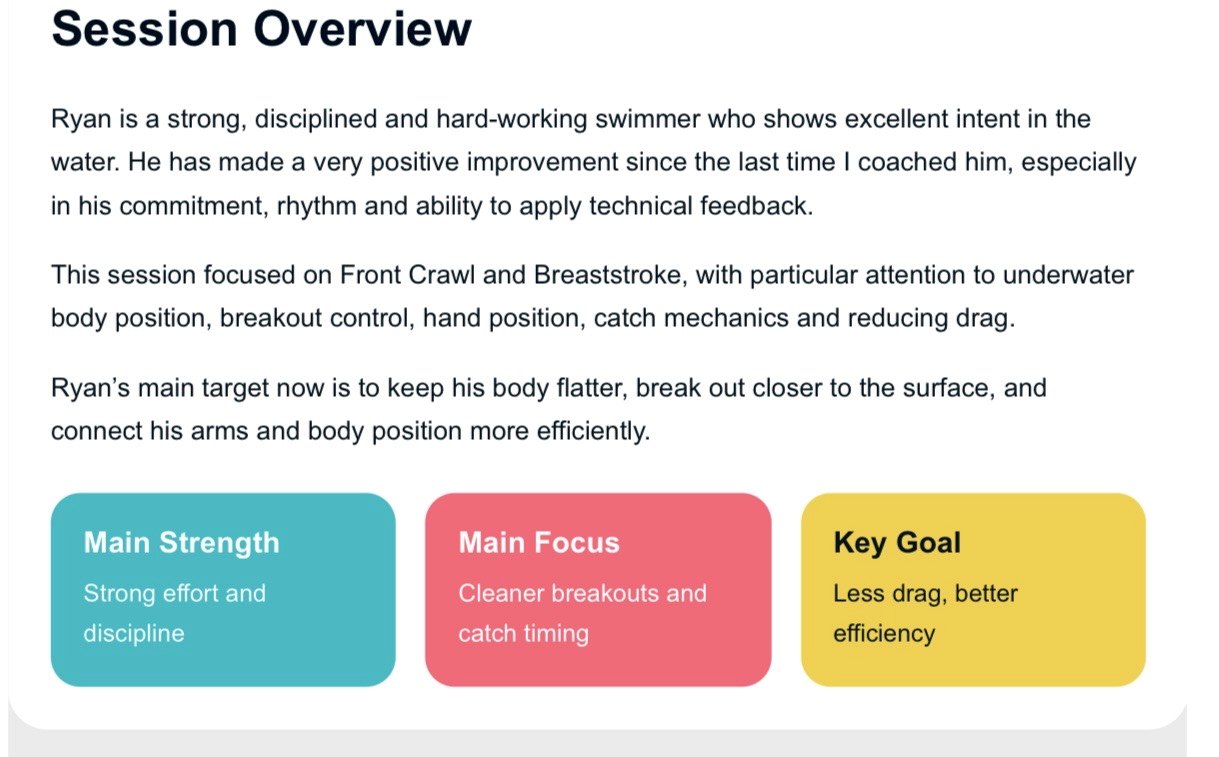
Session overview report example

Clear session overview

Strengths, main focus and next-step goals written in clear language for swimmer and parent.

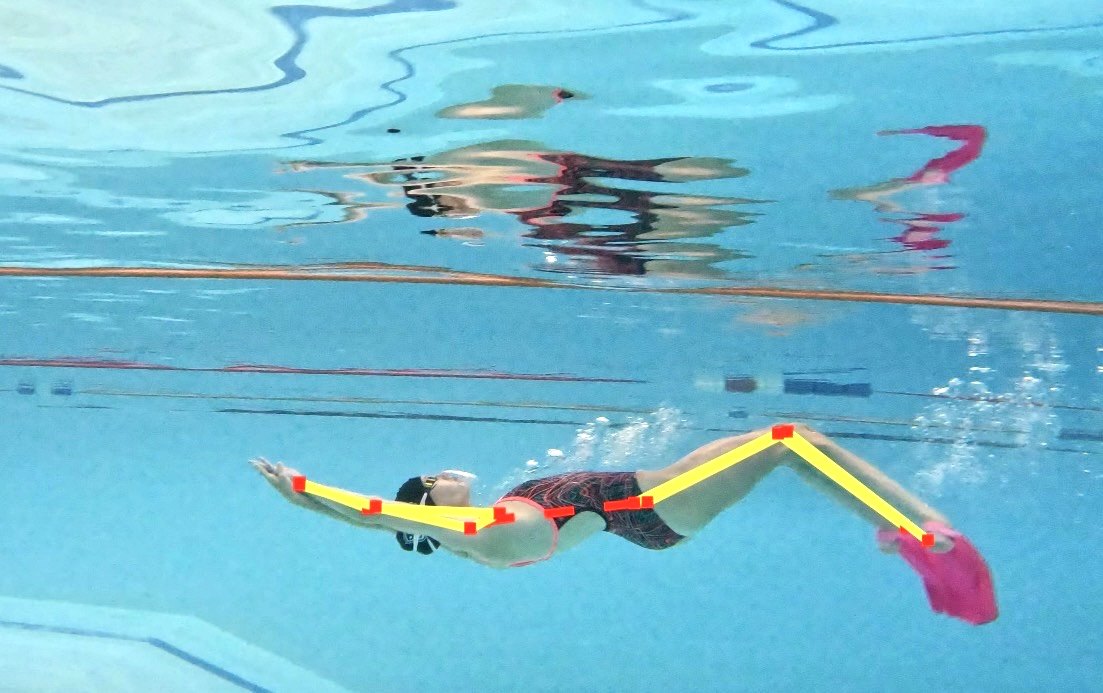
Backstroke body line technical analysis

Technical image analysis

Body line, head position, catch mechanics and drag points shown visually.

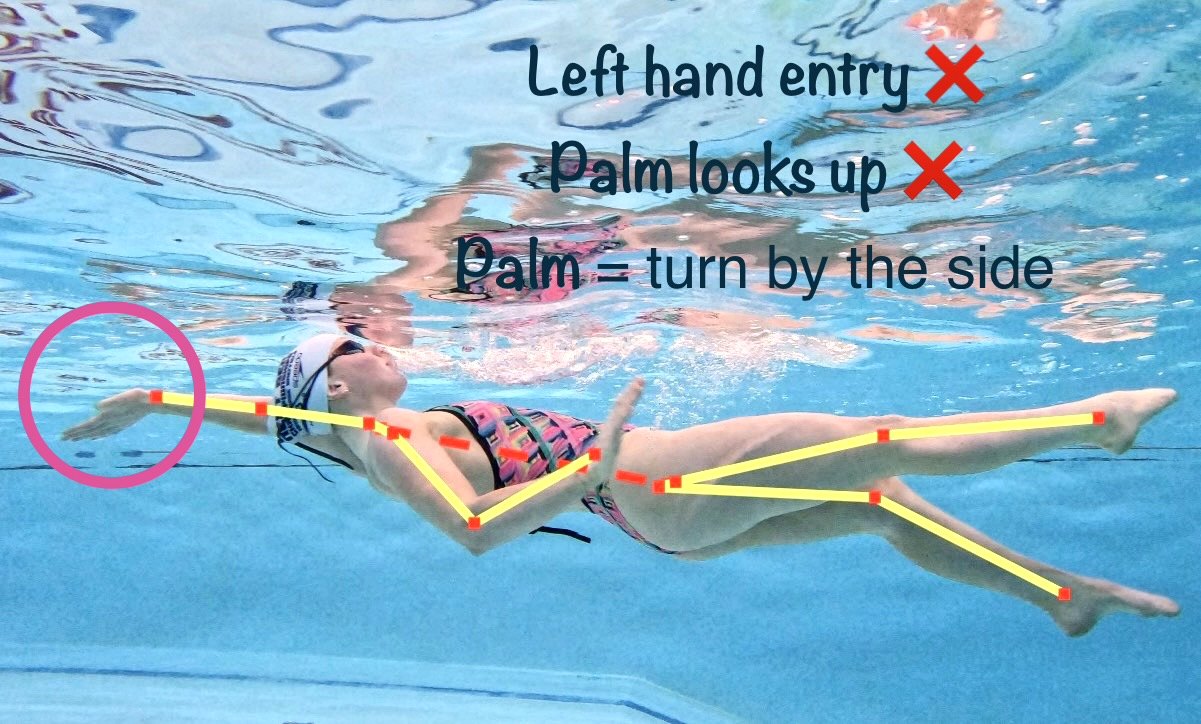
Backstroke hand entry technical analysis

Correction cues

Simple, practical cues swimmers can take straight into training.

SplitsStroke countStroke rateDPSSpeedFatigue %Polar HRTempo TrainerGoPro
Resources

Resources for swimmers and parents.

Articles, downloadable PDFs and video resources to help swimmers understand better technique, underwaters, starts, turns and race execution.

Featured article

Why Most Age Group Swimmers Lose Speed Underwater

The hidden mistakes costing young swimmers seconds every race — streamline, body position, hip engagement and breakout control.

Read article
Underwater streamline and wall push-off example
Video resources

Underwater learning videos

IT Swim Lab Article

Why Most Age Group Swimmers Lose Speed Underwater

The hidden mistakes costing young swimmers seconds every race.

Open article page

Ask most young swimmers where races are won and they’ll usually say the start, the finish, or the swim itself.

In reality, some of the biggest gains in swimming happen between the walls.

The underwater phase is often described as the “fifth stroke” because it is the fastest a swimmer can travel through the water. Yet it is also one of the most neglected skills in age group swimming.

After analysing dozens of swimmers through IT Swim Lab Performance Analysis sessions, several common patterns appear repeatedly across all four strokes.

These mistakes are not usually caused by a lack of effort. They are caused by a lack of understanding of how the body should move underwater.

Mistake 1: Loss of Streamline Integrity
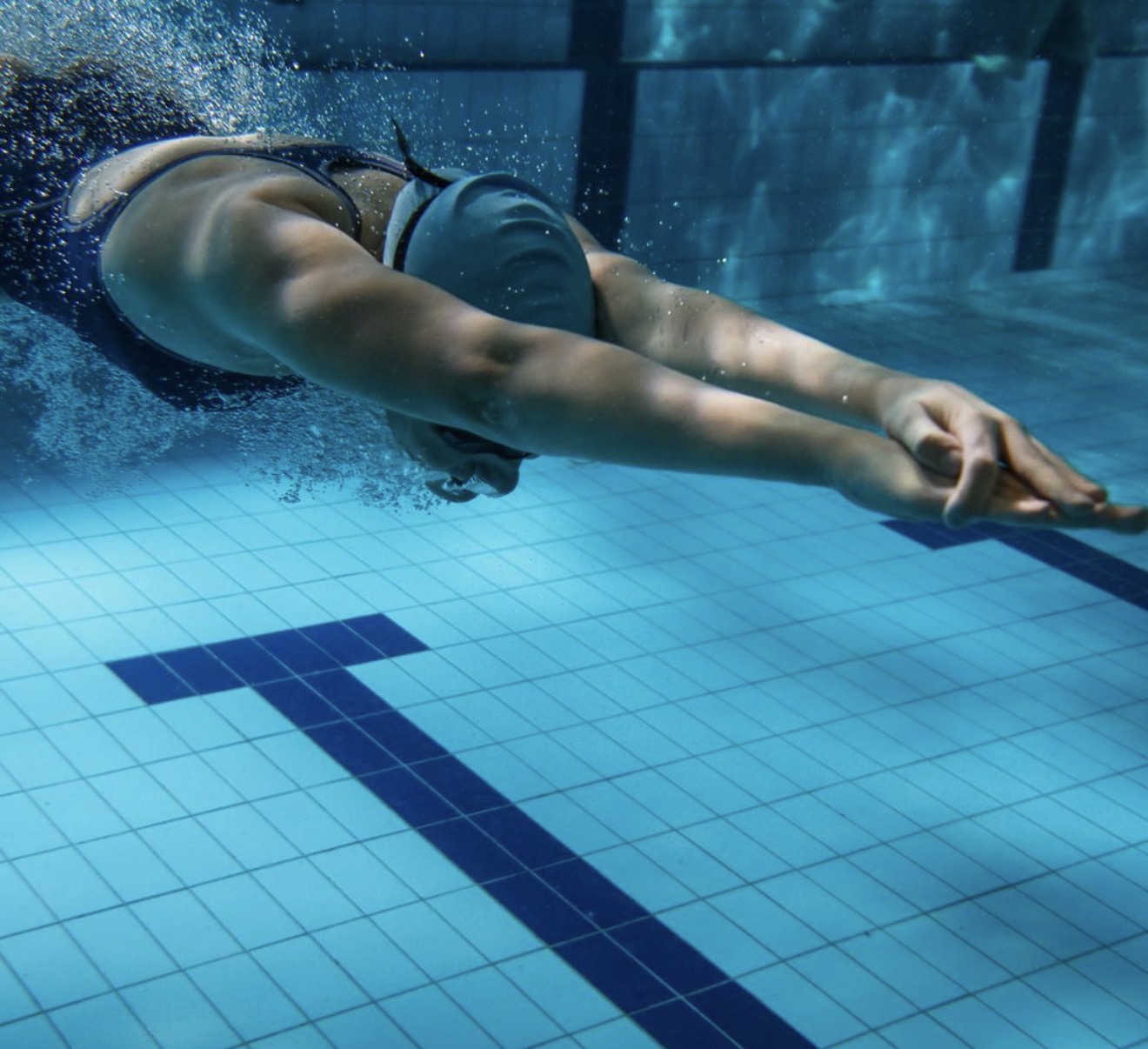
IT Swim Lab underwater streamlining analysis example
IT Swim Lab underwater analysis: streamline position after the start.

A streamline is not simply placing the hands together.

A true streamline is a rigid body position from fingertips to toes. When the arms separate, the head moves, the shoulders relax or the core disengages, drag is immediately created and speed is lost.

  • Arms separating underwater
  • Head lifting away from the arms
  • Loose shoulders
  • Bent hips
  • Excessive body movement
IT Swim Lab Cue: “Squeeze and lock.” Imagine becoming a torpedo travelling through the water.

Mistake 2: Kicking From The Knees

This is by far the most common underwater error seen in age group swimmers.

Many young swimmers attempt to create power by bending their knees excessively and kicking up and down. The result is what coaches often describe as a cycling action.

  • Large knee bend
  • Feet travelling forwards towards the stomach
  • Hips remaining still
  • Uneven kick rhythm
  • Legs separating excessively
IT Swim Lab Cue: “Chest. Hips. Feet.” The movement should travel through the entire body like a whip.

Mistake 3: No Hip Engagement

IT Swim Lab underwater body position analysis example
IT Swim Lab body position analysis: alignment, lower-body control and feet position.

Fast underwater kicking starts from the core. The chest initiates the movement, the hips transfer the force, and the legs and feet finish the movement.

Many young swimmers skip the middle stage completely. The hips stay still while the knees attempt to generate all the propulsion.

IT Swim Lab Cue: “Move your belt buckle.” If the hips are not moving, the underwater kick will never reach its full potential.

Mistake 4: No Whiplash Effect

Elite underwater kicking is not produced through muscular effort alone. It is created through timing.

The movement flows: Chest → Core → Hips → Thighs → Feet → Toes.

Each segment accelerates the next. Without this sequence the swimmer simply bends their knees and loses speed.

IT Swim Lab Cue: “Small to big.” Start the movement gently and allow it to build through the body.

Mistake 5: Breaking Out Too Early

Many swimmers panic underwater. As soon as they feel uncomfortable they rush to the surface.

Often they are still travelling faster underwater than they would be swimming on the surface. Learning to stay calm underwater is a skill that develops over time.

IT Swim Lab Cue: “Trust the glide.” The goal is not to hold your breath longer. The goal is to carry speed further.

Bonus: Hand Entry and Rotation Control
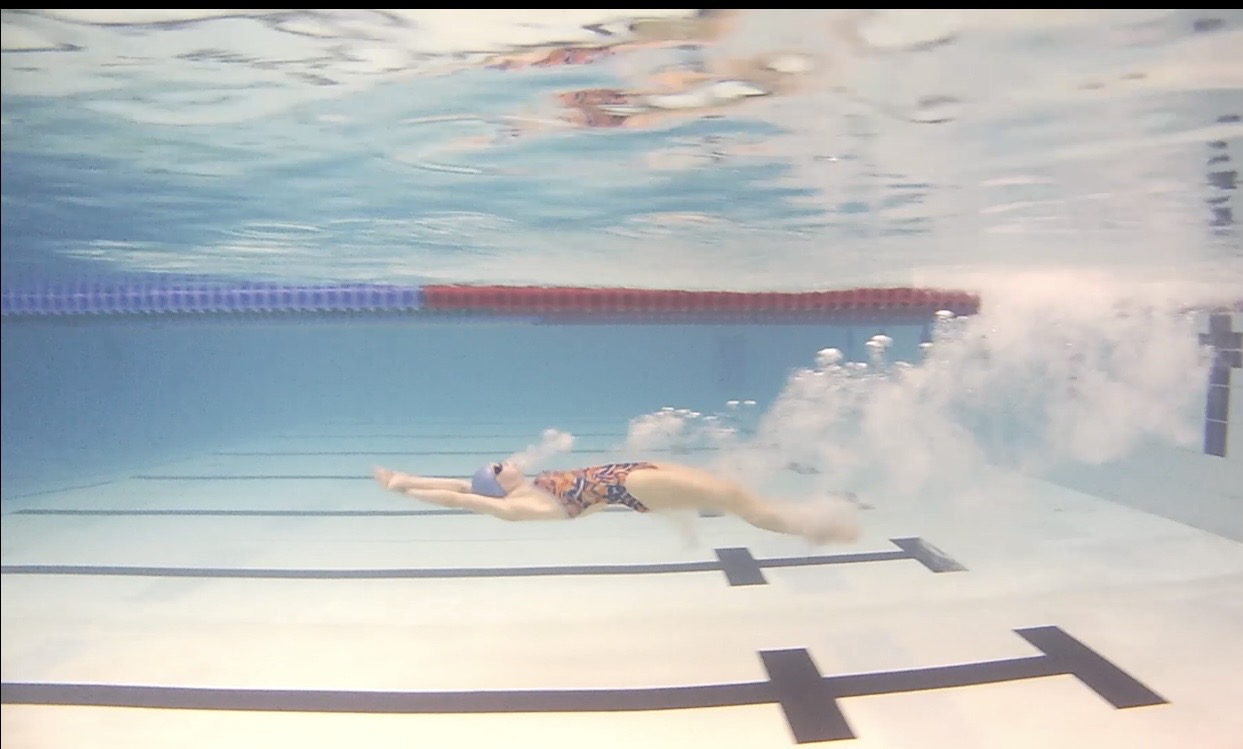
IT Swim Lab hand entry and head position analysis example
IT Swim Lab technical analysis: stable head position and core-led rotation.

One of the earliest signs of poor body control is allowing the head to rotate excessively during freestyle breathing.

Swimmers should learn to keep the head stable while rotating from the core and hips. Excessive head movement disrupts alignment, increases drag and often leads to wider hand entries.

Simple Home Exercises To Improve Underwaters

Front Plank3 × 30–45 sec

Core stability, streamline control and body alignment.

Hollow Body Hold3 × 20–30 sec

Underwater body position, core engagement and hip control.

Superman Hold3 × 20 sec

Streamline strength and shoulder stability.

Dead Bugs3 × 10 reps

Core control and hip coordination.

Flutter Kicks3 × 30 sec

Hip-driven kicking and leg endurance.

Final Thoughts

The fastest swimmers are not always the strongest swimmers. More often, they are the swimmers who maintain the best shape.

Before worrying about bigger kicks, stronger pulls or more power, young swimmers should first learn to hold a strong streamline, engage their core, move from the hips, create a smooth whiplash action and carry speed further from every wall.

Master these skills and every race becomes faster. The easiest speed to gain in swimming is often the speed that happens underwater.

Want to know whether your swimmer is losing speed underwater?

IT Swim Lab performance reviews include underwater analysis, stroke-by-stroke feedback, starts and turns assessment, race pace metrics and a personalised technical development plan.

Book a performance review
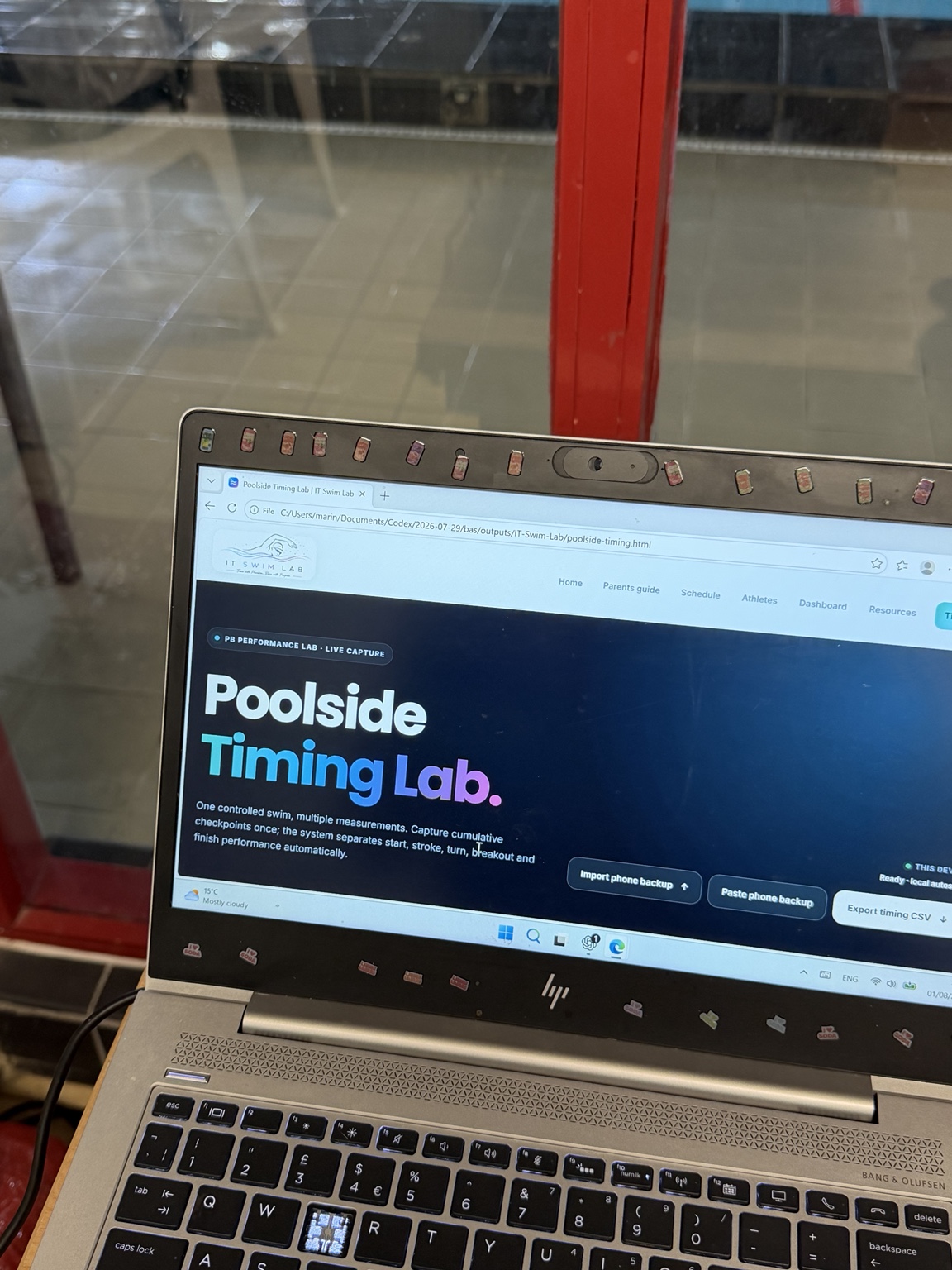
Season pathway planner

Plan the block. Build the swimmer. Race with purpose.

Use the August camp or a pre-season 1:1 block to identify technical priorities before training volume increases.

View August options
Core services

Focused performance support.

1:1 Swimming Coaching

Private swimming coaching for competitive swimmers, Masters swimmers and triathletes who need precise feedback and clear priorities.

Swim Video Analysis

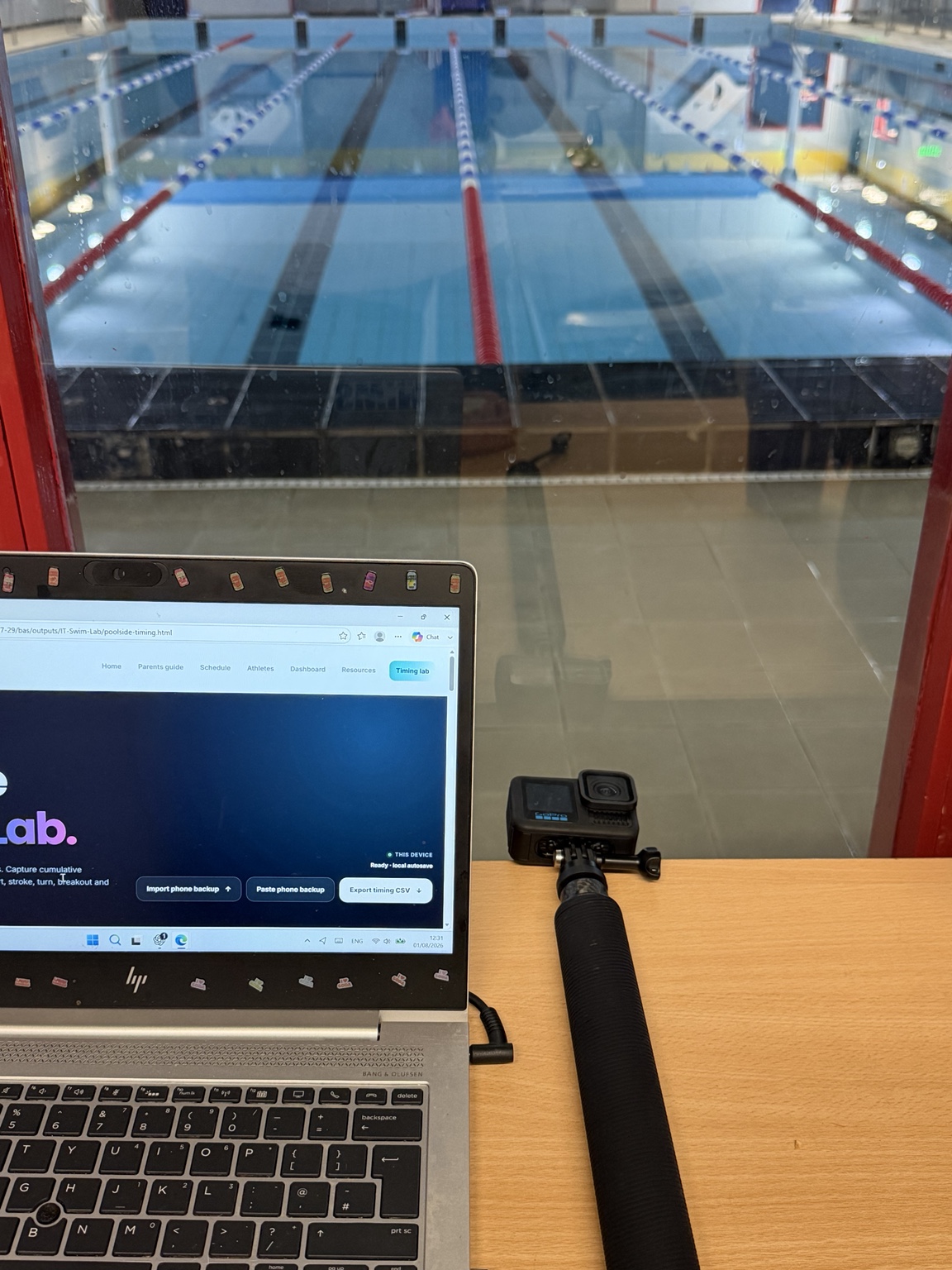
Underwater and poolside review using GoPro footage, technical cues and action steps for stroke correction.

Race Pace Training

Splits, stroke count, stroke rate, DPS and fatigue trends used to improve race execution.

Starts, Turns & Underwaters

Reaction time, flight, entry, breakout and underwater speed work for race-day skills.

Clinic media

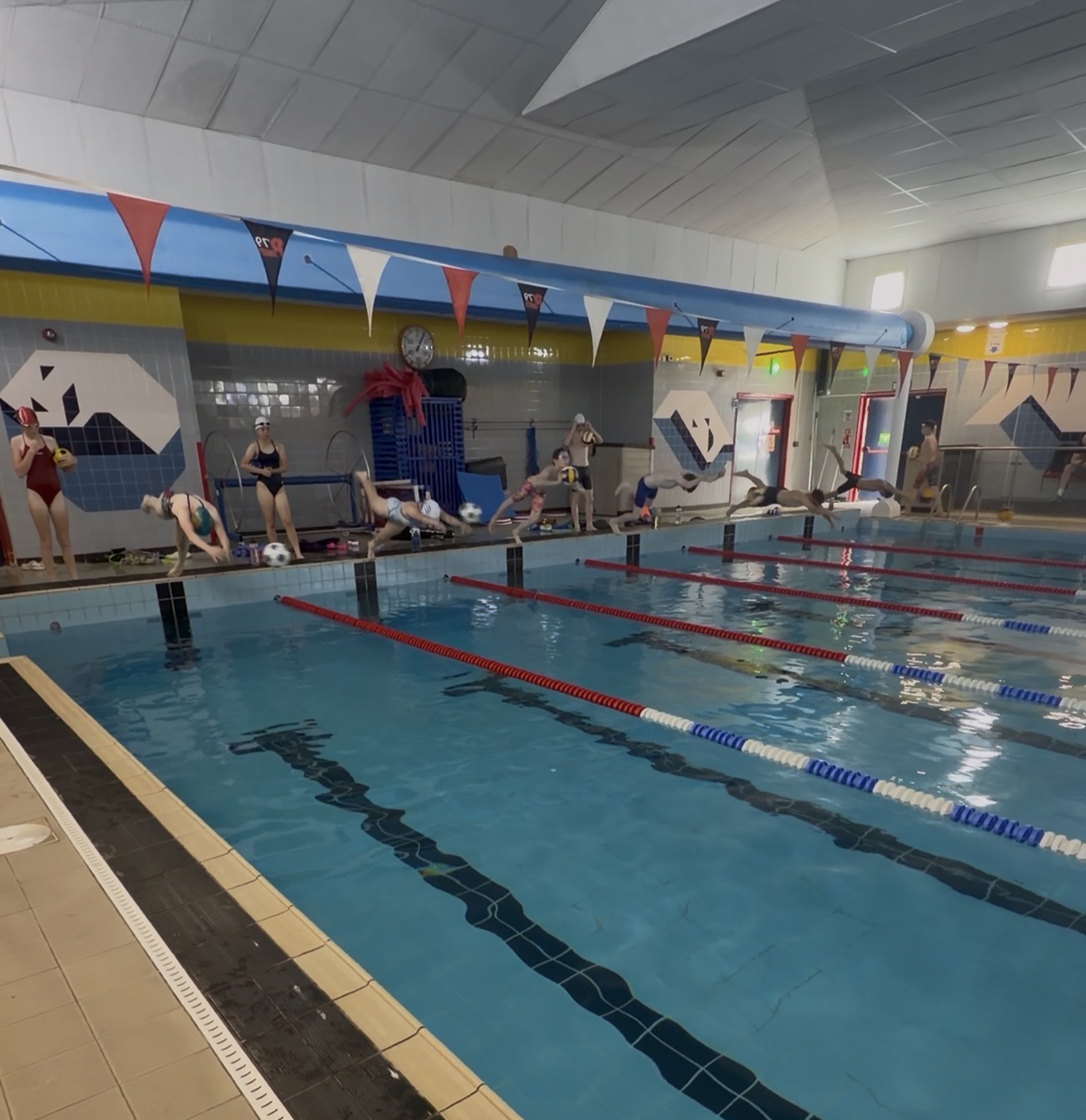
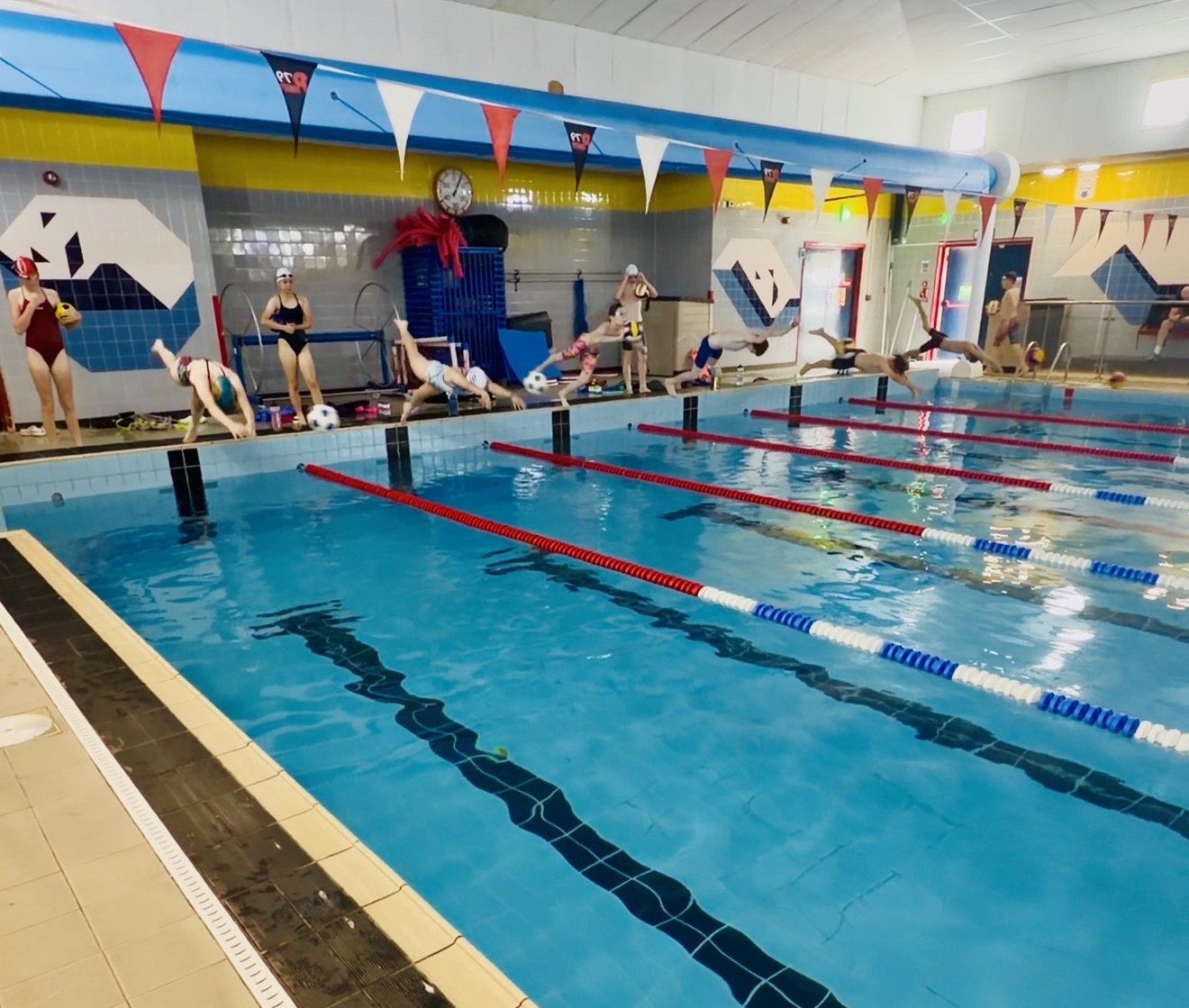
1st IT Swim Lab Race Starts Clinic.

A clean album from the first IT Swim Lab Race Starts Clinic — starts, entries, underwater speed and breakouts.

01 August 2026

Performance Assessment Camp.

A focused one-day assessment for swimmers who want technical feedback before the new season starts.

  • Stroke analysis and technical priorities
  • Starts, turns, underwaters and breakout review
  • Race pace profiling where appropriate
  • Clear next-step development plan
Apply for priority access
Performance assessment camp environment
Pre-season intensive

August 1:1 technical blocks.

For swimmers who need individual attention before the season starts. Available as focused single sessions or blocks of 5–10 depending on venue and goals.

Block of 5Block of 10TechniqueRace paceVideo feedbackParent feedback
Request 1:1 availability
Priority access form

Register interest.

Use this form for the 01/08 camp or August pre-season 1:1 blocks.

Google reviews

Help IT Swim Lab grow.

If IT Swim Lab has helped your swimmer, a short Google review helps more parents find specialist performance coaching.

Leave a Google Review
IT Swim Lab Google Review QR code

Ready to improve your swimming?

Book a performance coaching session or ask which option is right for your swimmer.

Thank you for visiting IT Swim Lab.

Train with Precision. Race with Purpose. — Irene Tsoutsa